
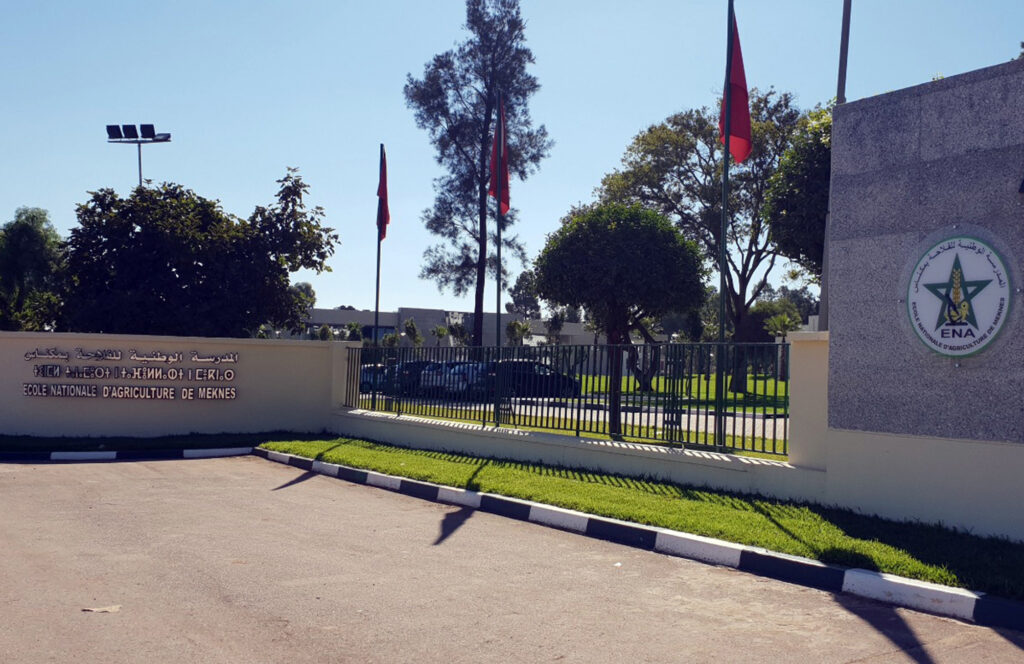
The European Soil O-Live project, coordinated by the University of Jaén, has taken a decisive step forward in its roadmap with the holding of its fourth annual meeting. Following previous meetings in Jaén (Spain), Mytilene (Greece) and Trapani (Italy), the city of Meknes (Morocco) will become the hub of operations for this international consortium from 23 to 27 March, as it continues to drive forward the regeneration of the olive grove ecosystem.
The meeting will be attended by the project coordinator, Antonio Manzaneda, Professor of Ecology at the UJA, who will lead the technical and strategic working sessions. Furthermore, all consortium partners are expected to attend, either in person or online, ensuring full coordination between the universities, research centres and international organisations that make up this alliance. Furthermore, the meeting in Meknes will be notable for the participation of key institutional figures, such as Luis Sánchez Álvarez, representative of the European Commission’s Mission Soil Secretariat, and Juan Antonio Polo Palomino, head of the Department of Olive Growing Technology and Environment at the International Olive Council (IOC).
The primary aim of this fourth meeting is to assess the milestones achieved and outline the next steps for transforming olive grove soil management. The work plan in Meknes will focus on translating scientific data into practical solutions that improve the biodiversity, fertility and resilience of Mediterranean soils in the face of climate change.
The choice of Morocco as the venue for this meeting highlights the international scope of Soil O-Live, which, since its launch, has visited the main agricultural hubs across the Mediterranean. This itinerant approach enables the consortium to gain first-hand insight into the diverse realities of farming and to tailor its strategy for improving soil health to the specific needs of each region.
The programme for this fourth annual meeting stands out for its technical and strategic focus, combining data analysis sessions with fieldwork. Over the five days scheduled, experts will delve into the assessment of soil biodiversity and functionality, as well as the impact of agricultural practices on olive oil quality. In addition to coordination sessions for the various work packages (WPs), the agenda includes technical visits to experimental farms in the Meknes region. These activities will enable researchers to gain first-hand insight into the reality of Moroccan olive growing, exchange knowledge with local producers and adapt Soil O-Live’s scientific solutions to the specific climatic and soil conditions of North Africa.