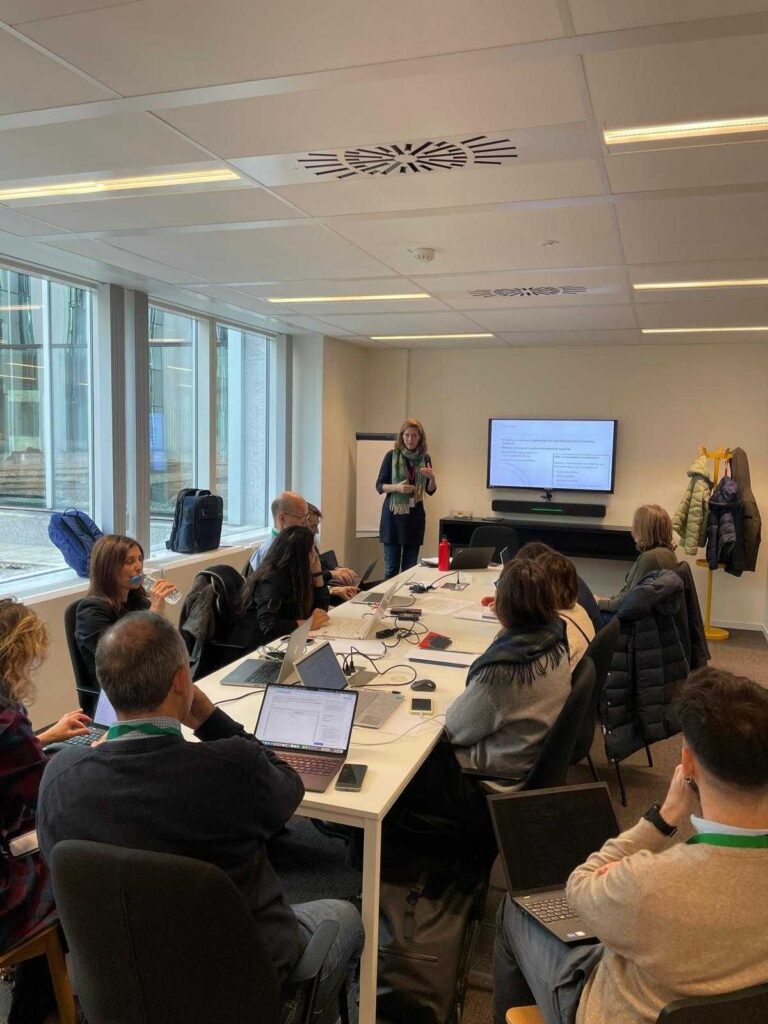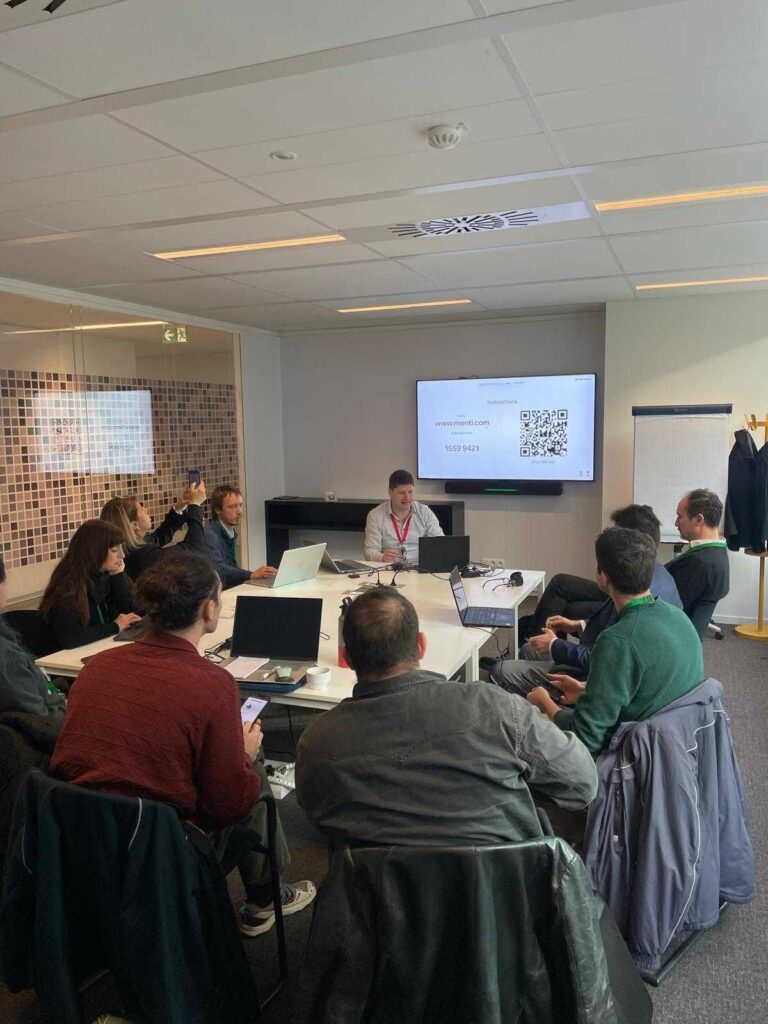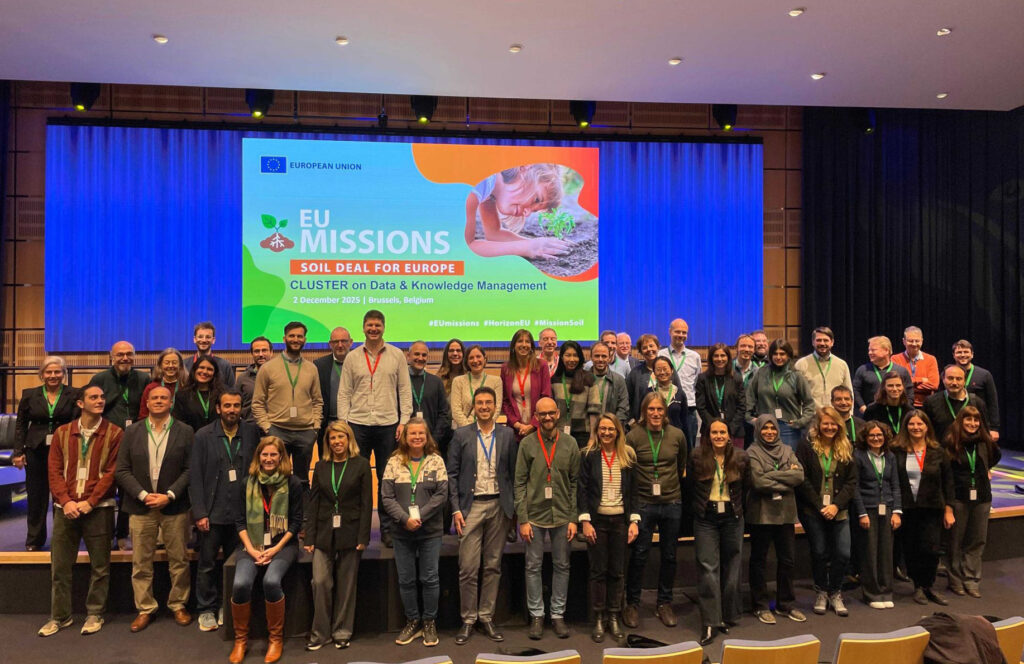
The coordinator of the Soil O-Live project, Antonio Manzaneda, recently participated in the ‘Mission Soil Cluster on Data and Knowledge Management’.
This meeting, held in Brussels, addressed the importance of soil health data in developing solutions for soil.
Manzaneda explains that the Data Cluster meetings are essential for harmonising the type of data and, perhaps more importantly, the metadata from the project’s research results. “This harmonisation and standardisation is key to transferring research to decision-makers at European level and also to enabling our colleagues to “reuse” this data in other research projects. It is the basis of the FAIR principles that govern European projects such as Soil O-live,” says the professor from the University of Jaén.
In addition to the organised presentations, parallel sessions were held in which participants discussed, exchanged experiences and carried out practical exercises.
Clusters are a key component of Soil Mission, bringing together representatives from Soil Mission-funded projects and other key entities. These initiatives foster cooperation, maximise synergies and boost the impact of research. Projects actively participate in cluster activities, sharing results, exchanging knowledge and collaborating to advance Soil Mission’s objectives.
The Mission Soil Cluster on Data and Knowledge Management works on how to organise, structure, store, share and access the diverse data and knowledge outputs generated in the soil health community. From datasets and maps to models, tools and policy reports, the cluster supports harmonised practices that ensure outputs are accessible, interoperable, reusable and easily accessible. Through this collaboration, projects not only improve their own data workflows, but also contribute to the development of a coherent European soil data ecosystem, in close connection with the EU Soil Observatory.